
Domaine Albert Mann: Biodynamic Alsace Wines Now in Vietnam | Glouglou Wines
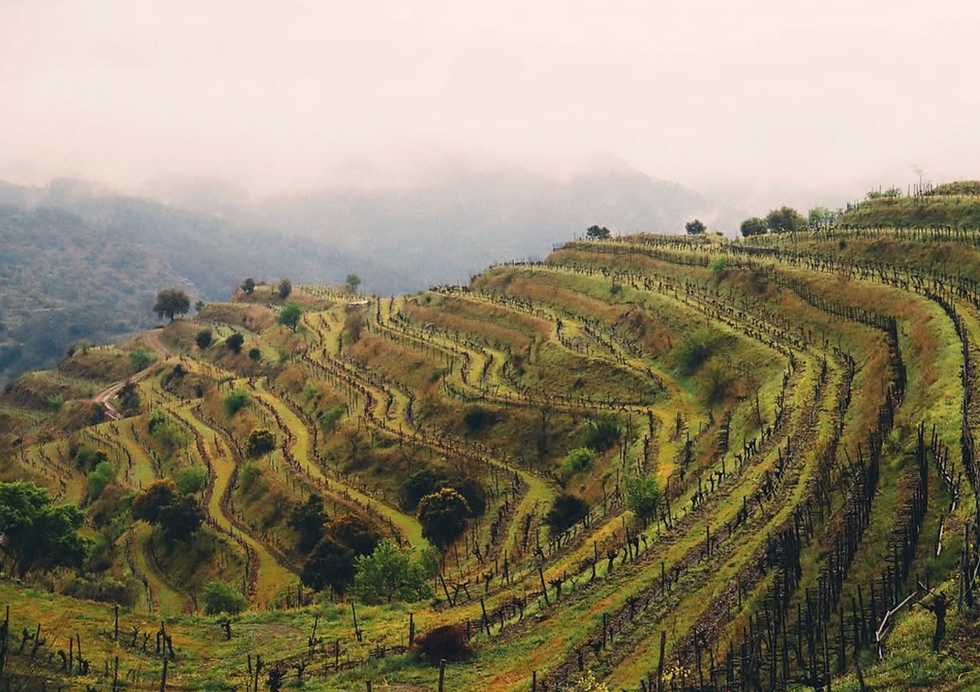
Wettolsheim sits on a slope where the soil changes almost row by row: granite in one plot, limestone in the next, then clay, then sandstone, then schist, sometimes within the same hillside. It's the kind of place that makes a winegrower stubborn about small plots, because two rows apart can taste like two different vineyards. That stubbornness is basically the whole story of Domaine Albert Mann.

A Marriage of Two Vineyards
The Barthelmé family had been growing vines here since 1654. Down the road, so had the Mann family, since the early 1600s. Two lines of winegrowers, tending slopes a few kilometers apart for three centuries, doing the same slow work their fathers had done. Then Maurice Barthelmé married Marie-Claire Mann, the daughter of a winegrower named Albert, and two family histories became one domaine. They kept her father's name on the label, which is either a nice gesture or a very practical branding decision, and it's probably both.
One Hundred Small Gardens
Under Jacky Barthelmé, Maurice's son, the domaine grew from five hectares to twenty-five, one small purchase at a time, until it held plots across seven Grand Crus, among them Furstentum, Schlossberg, Hengst and Pfersigberg, plus Eichberg, added as recently as 2020. Grand Cru is Alsace's word for the sites everyone already knew were special long before anyone wrote it down: steep, specific hillsides where the wine tastes like the place and not just the grape. Twenty-five hectares doesn't sound like much until you learn it's split into roughly a hundred separate plots, each one worked like its own small garden, because the soil underneath keeps changing its mind.

One Hundred Small Gardens
Under Jacky Barthelmé, Maurice's son, the domaine grew from five hectares to twenty-five, one small purchase at a time, until it held plots across seven Grand Crus, among them Furstentum, Schlossberg, Hengst and Pfersigberg, plus Eichberg, added as recently as 2020. Grand Cru is Alsace's word for the sites everyone already knew were special long before anyone wrote it down: steep, specific hillsides where the wine tastes like the place and not just the grape. Twenty-five hectares doesn't sound like much until you learn it's split into roughly a hundred separate plots, each one worked like its own small garden, because the soil underneath keeps changing its mind.
Two Generations, Same Slopes
These days it's Jacky's son Antoine working alongside him, and you can see a small, deliberate shift happening under his watch. Since 2019 they've been grafting over some Pinot Gris parcels to Pinot Noir, betting that a grape long treated as an afterthought in Alsace deserves more attention than it's been getting. Antoine talks about wanting fully ripe tannins without pushing alcohol higher to get there, a harder balance than it sounds, and about doing the sorting out in the vineyard rather than at the cellar door, so less gets left to chance later. The domaine also holds two monopole plots planted to Pinot Noir, Clos de la Faille and Les Saintes Claires, meaning no one else on earth makes wine from those particular rows.
What Lands in the Glass
None of that history matters much if the wine in the glass doesn't hold up, so here's the short version. The Rieslings are precise and mineral, built to sit next to food rather than perform on their own. The Pinot Gris has real texture without turning heavy. The Gewurztraminer leans on spice and floral lift instead of leaning on sugar. And the Pinot Noir, the wine Antoine is quietly staking a claim on, comes out delicate and spiced rather than dense, made gently on purpose.
Why We Brought Them to Vietnam
We brought Domaine Albert Mann into Vietnam because that's exactly the kind of wine this country's food deserves: high acidity, aromatic without sweetness, the kind of structure that doesn't flinch next to fish sauce, fresh herbs, or something straight off the grill. The first collection lands with Riesling, Pinot Gris and Pinot Noir, delivered anywhere in the country within 24 hours through our own warehouses. If you're a restaurant or hotel buyer and you want to taste it before it's on your list, get in touch and we'll pour you a glass.


Comments