
Clos Mogador, the gem of Priorat & Montsant on it's way to Vietnam's finest tables

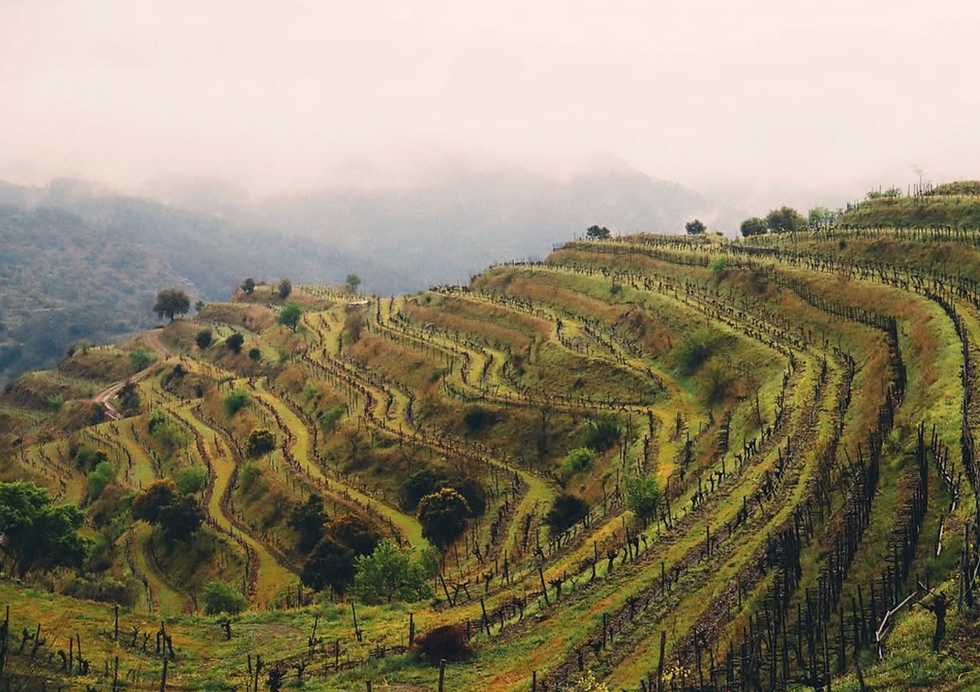
Last summer, standing above the terraces of Gratallops under the dry Priorat heat, it became immediately obvious why Clos Mogador could only exist here.
Nothing about this landscape feels easy.
The vineyards climb steep slopes of broken black slate called llicorella, sharp enough to cut your hands and poor enough to force the vines deep into the earth searching for water. In August, the heat rises off the stones like smoke. Olive trees twist in the wind. Everything smells of wild herbs, dust, fennel, dry rosemary, and hot rock.
And somehow, out of this brutal landscape, René Barbier created one of Spain’s most important wines.

We had the chance to visit Clos Mogador last summer, walking through the vineyards, tasting in the cellar, and seeing firsthand the extraordinary work behind these wines.
Today, we are extremely excited to announce that Clos Mogador is finally on the way to Vietnam.
And for lovers of great Mediterranean wines, this is a very serious arrival.
The Wine That Changed Priorat Forever

Before Clos Mogador, Priorat was almost forgotten.
A remote Catalan wine region producing mostly rustic local wine, isolated in the hills southwest of Barcelona.
Then in the late 1980s, a small group of producers arrived in Gratallops:René Barbier,Álvaro Palacios,José Luis Pérez,Carles Pastrana,Daphne Glorian.
What they saw was not poverty.
It was potential.

Old Garnacha and Cariñena vines planted in impossible slate vineyards. Altitude. Freshness hidden beneath Mediterranean heat. Tiny yields. Wines capable of carrying enormous concentration while still preserving minerality and life.
Clos Mogador became one of the defining wines of that movement.
Not simply a great Priorat.
One of the bottles that changed Spanish wine forever.
Priorat Is Not Power. Or At Least Not Only Power.
People who have never tasted great Priorat often imagine massive wines.
Heavy.Hot.Extracted.Alcoholic.
And yes, poor versions of Priorat can become exactly that.
Clos Mogador is something else entirely.
The wine has depth, certainly. Mediterranean depth. Black fruits, herbs, dark spice, graphite, smoke, warm earth. But underneath all that sits something cooler and more mineral than people expect.
You taste the llicorella.

That broken black slate gives the wines a kind of dry vibration. A tension running underneath the richness. Without it, the wines would collapse under the sun.
Instead, they stay alive.
That is what makes Clos Mogador special.
Not size.
Balance.
Wines Built From Landscape

Walking through the vineyards last summer, what struck us most was how physical everything felt.
Nothing soft.Nothing easy.Nothing decorative.
The terraces are steep enough that every movement feels deliberate. You understand very quickly why yields stay low here. Why the old vines matter so much. Why farming organically in Priorat is not a branding exercise but real work.
Clos Mogador has long worked toward biodynamic farming and deep respect for the surrounding ecosystem. Forests, herbs, olive trees, biodiversity — everything around the vineyard feels connected to the wine itself.
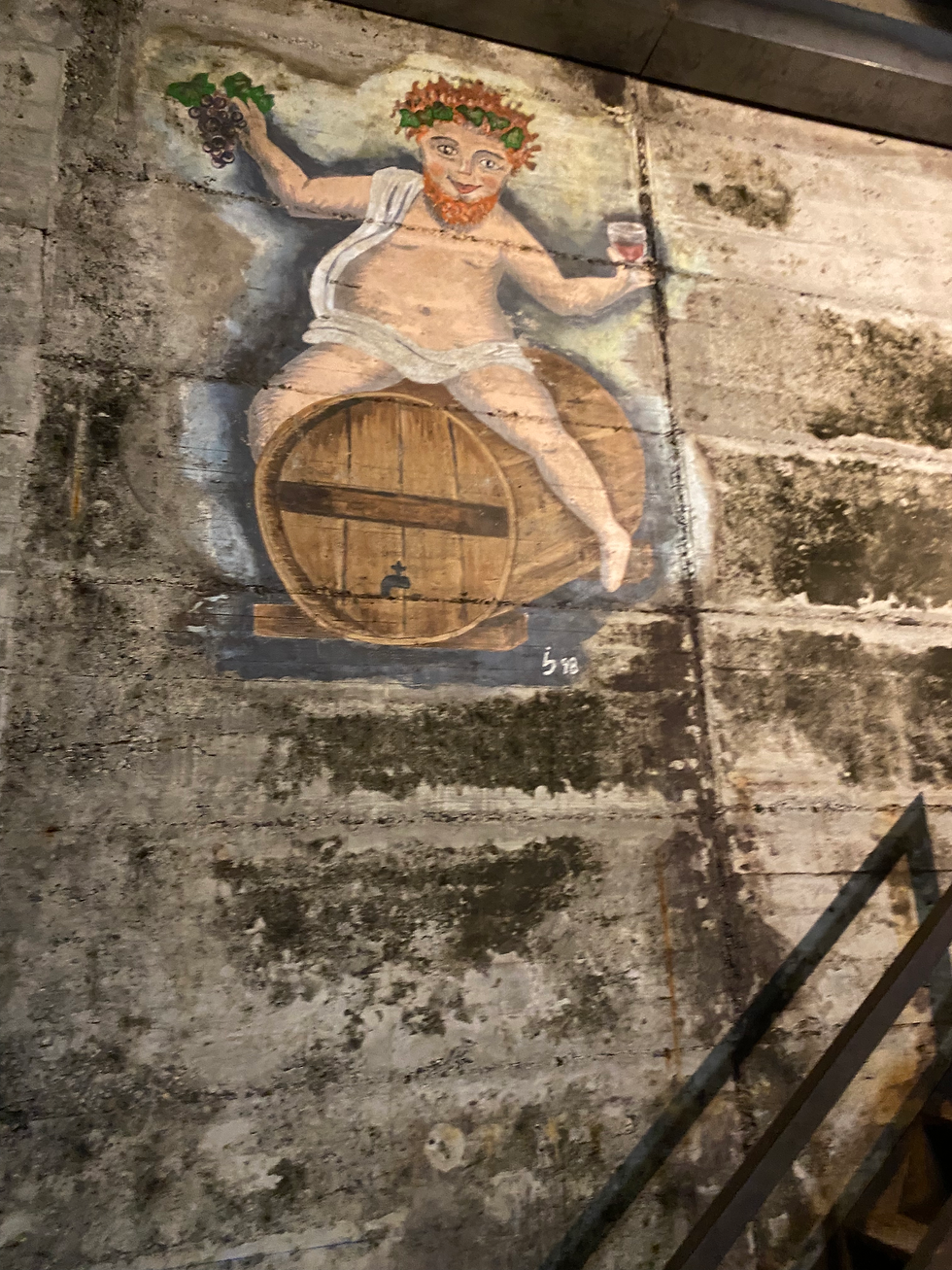
And you taste that Mediterranean landscape directly in the glass.
Garrigue.Warm stone.Fennel.Rosemary.Black olive.Smoke.Dark cherry.Graphite.
These are not polished international reds.
They taste like somewhere.
Clos Mogador
The flagship wine remains one of the great Mediterranean reds.
Mostly Garnacha and Cariñena, supported by Syrah and Cabernet Sauvignon depending on the vintage, sourced from old vines rooted deeply into the llicorella slopes around Gratallops.
The first impression is often dark and serious.
Then air changes everything.
The wine opens slowly into layers of black fruit, dried herbs, tobacco, bitter chocolate, smoke, and crushed stone. The tannins are powerful but never rustic. The freshness appears later, quietly carrying the wine much further than expected.

That is the trap with great Priorat.
People expect heaviness.
Instead, the best bottles become strangely drinkable.
Clos Mogador always feels more elegant than people imagine before opening it.
A Wine Made For Long Tables
These are not wines for quick tastings.
They belong around food.
Lamb cooked over charcoal.Duck.Game.Slow cooked beef.Mushrooms.Hard cheeses.Long lunches becoming dinner.
And honestly, they make incredible sense in Vietnam too.

Smoky grilled meats. Spices.Charcoal. Rich sauces. Late dinners shared between too many glasses and not enough plates.
The freshness hidden inside the wine keeps everything moving.
That is why great Priorat works so beautifully at the table despite its intensity.
More Than A Legendary Label
It would be easy to speak only about the reputation.
Clos Mogador has already secured its place in wine history.
But what stayed with us most after visiting was not prestige.
It was sincerity.
The feeling that these wines still come directly from the landscape around them. That they still carry the heat, dryness, herbs, stones, and silence of Priorat itself.

Nothing felt manufactured.
Nothing felt designed for scores.
Just a deep understanding of place, worked patiently over decades.
That is becoming increasingly rare in wine.
And maybe that is why bottles like these matter even more today.
Clos Mogador Is Coming To Vietnam

We are extremely proud to soon welcome Clos Mogador to Vietnam through Glouglou Wines.
A legendary Priorat producer.A defining estate of modern Spanish wine.And one of the most important vineyard stories of the Mediterranean.
The wines are currently on the way to Vietnam.
Very limited quantities.
And very beautiful bottles.


Comments