
Clos Mogador: The Priorat Vineyard With Almost No Soil

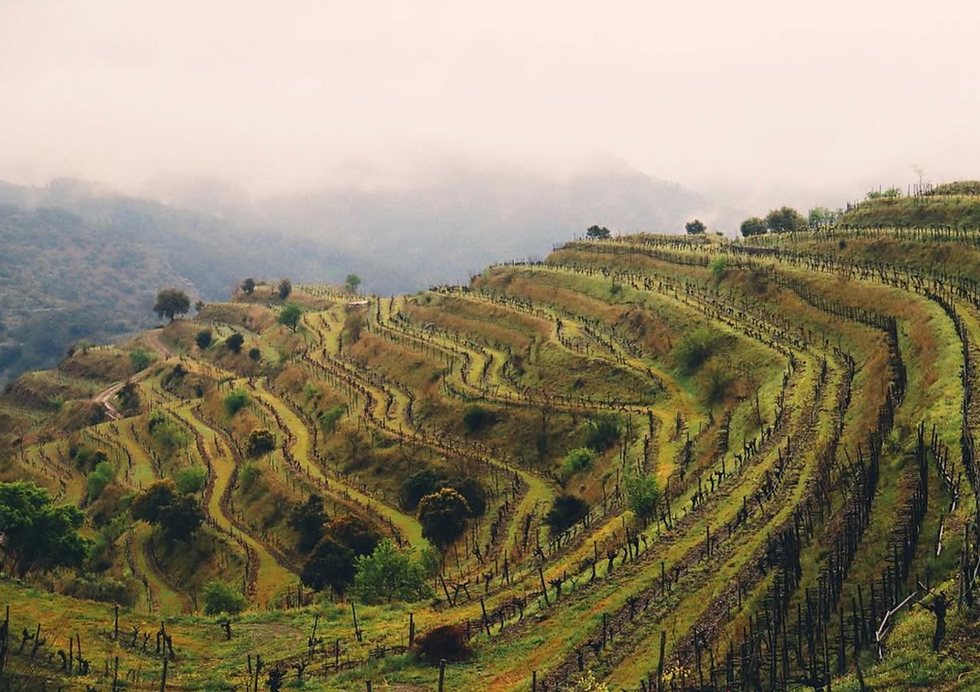
Pick up a handful of ground at Clos Mogador and most of it is stone. Thin flakes of dark slate, a few glints of quartz, and very little earth in between. The locals call it llicorella, and on this hillside outside Gratallops, above the Siurana river, it is pretty much all the vines have to grow in.
Most farmers would call that bad land. For René Barbier, it was the whole point.

A hillside nobody wanted
René was born in Tarragona in 1950 into a French winemaking family with roots going back centuries. He studied wine in Bordeaux, Burgundy and Limoux, then did something his peers found strange. In 1979 he and his wife, Isabelle Meyer, bought land outside Gratallops, in a corner of Catalonia where vineyards were being abandoned rather than planted. Their son René was six.
They planted Garnacha and Cariñena, the old grapes of the region, plus some Syrah and Cabernet Sauvignon. René later said his idea was to work there, from day one, as if it were the most important wine region in the world. A few friends followed him to Gratallops. In 1989 they made their first wine together, and Priorat has been on the world's wine map ever since. We told more of that early story in how Clos Mogador and the Barbier family began.
What the slate does
The vineyard sits in a natural amphitheatre of crumbling slate, with mountains around it and the river along its lower edge. Rain drains straight through the broken rock. With so little topsoil, the roots push down through the cracks looking for water, and each vine gives only a small crop.
That is where the wine's character comes from. Fewer grapes per vine means more concentration in each one. People who taste Clos Mogador often describe a graphite or wet-stone note under the dark fruit, and they tie it straight back to the slate.
Work done by hand
The slopes are too steep for tractors, so everything happens by hand, from pruning to harvest, sometimes with mules to carry the load. The vineyards have been certified organic since 2012, and the family farms with biodynamic methods, timing the work to the lunar calendar. Olive trees and wild herbs grow between the rows.

In 2006, Clos Mogador became the first wine in Catalonia to receive the Vi de Finca Qualificada seal, a status given to a wine made from the same single vineyard for over a decade. In other words, it was the hillside itself that got the recognition.
Two generations on the same slope
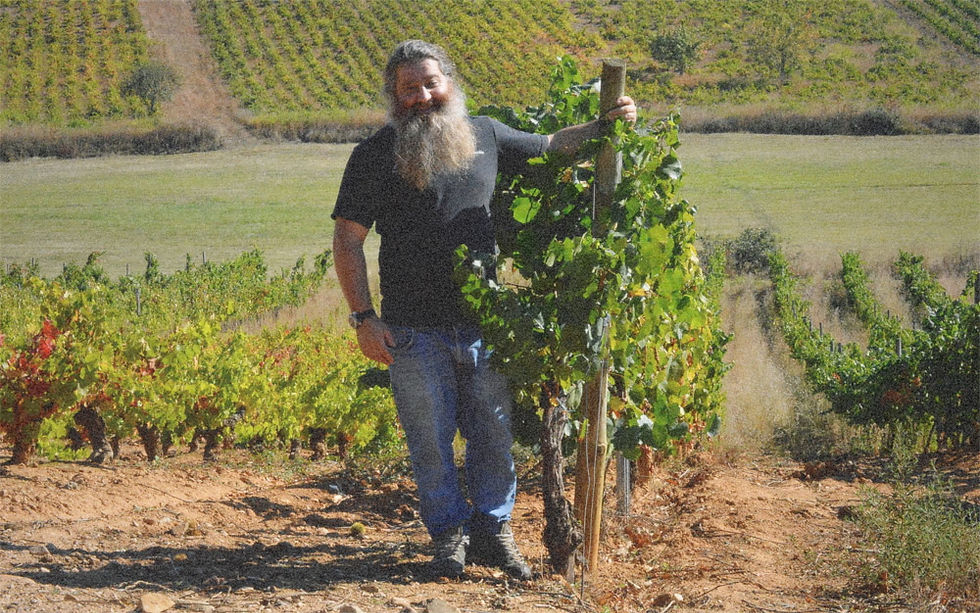
Today René's sons run the estate with him: Christian in the vineyard, René in the cellar. Isabelle, who built Clos Mogador alongside René from the very first plot, passed away in 2020. The family carries on the work the two of them started together.
Clos Mogador Priorat and two more bottles, now in Vietnam
Axel, our co-founder, went to Clos Mogador in summer 2026 to see the slate for himself. We carry three of their wines, and they make a good way to taste what the slate does:
Clos Mogador, Priorat 2023: the flagship, from the home vineyard. Garnacha, Cariñena, Syrah and Cabernet Sauvignon, aged in large oak foudres. Black cherry, Mediterranean herbs and that mineral finish. Try it with charcoal-grilled beef or lamb, or see more ideas in our guide to wine with Vietnamese food.
Clos Mogador, Gratallops Rosat 2022: a rosé from the same slate around Gratallops. Wild strawberry, pink grapefruit and a salty finish. A serious food wine, more than a summer pour.
Clos Mogador, Com Tu 2022: the family's Garnacha from old vines in Montsant, grown on clay and limestone instead of slate. Open it next to the Priorat and you can taste what the ground changes.
All three are in our warehouses in Ho Chi Minh City, Hanoi, Da Nang and Nha Trang, with delivery anywhere in Vietnam within 24 hours. For restaurants and hotels, write to us at glouglou@vinobeer.fr and we'll set up a tasting.

Comments